Understanding PCOS: What Is It?
Polycystic Ovary Syndrome, or PCOS, is a common health problem. It affects women of childbearing age. In fact, studies show that up to 1 in 10 women may have PCOS. This condition causes hormone imbalances. As a result, it can lead to irregular periods, weight gain, and other symptoms. Early diagnosis and treatment can help manage PCOS better.
Symptoms and Causes of PCOS
PCOS can show up in many ways. However, not everyone has the same symptoms. Some common signs include:
Doctors do not know the exact cause of PCOS. But, factors like genetics, insulin resistance, and hormone levels play a role. Because of this, PCOS can affect each woman differently.
What Is Homeopathy?
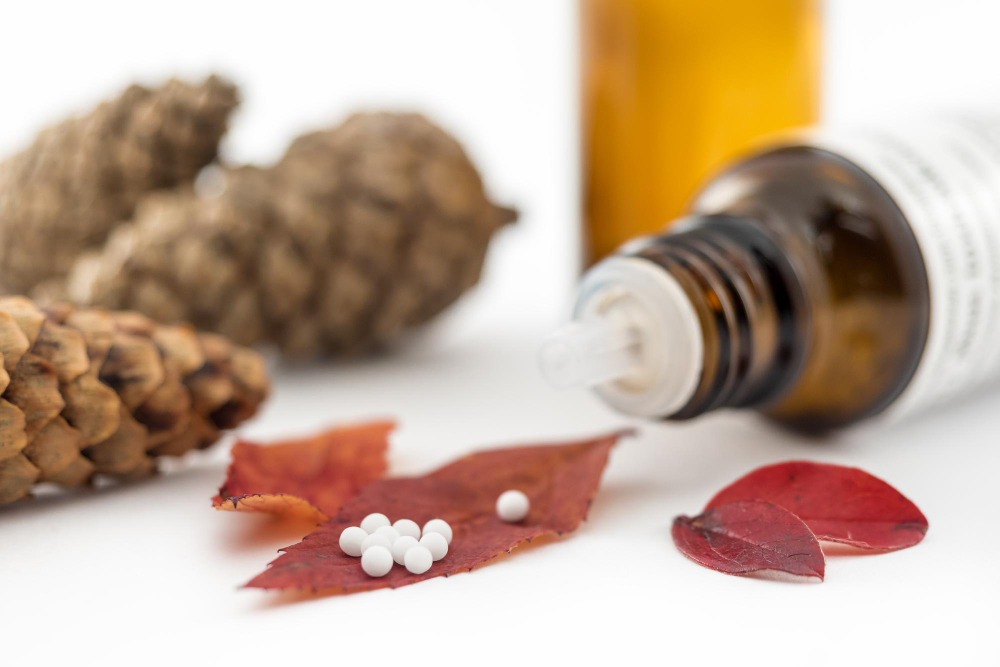
Homeopathy is a natural system of medicine. It uses small doses of natural substances to help the body heal itself. Homeopathic doctors choose remedies based on a person’s unique symptoms. Therefore, each treatment plan is personalized. Many people seek homeopathy for PCOS and other long-term health issues.
How Homeopathy Addresses PCOS
Homeopathy for PCOS focuses on treating the whole person, not just the symptoms. Homeopathic doctors look at physical, mental, and emotional health. They may ask about your lifestyle, stress, and family history. Then, they select remedies that match your symptoms.
Some common homeopathic remedies for PCOS include:
However, it is important to remember that homeopathic treatment is highly individualized. What works for one person may not work for another. Always consult a qualified homeopathic specialist for the best results.
Evidence and Research on Homeopathy for PCOS
Many women look for natural PCOS remedies. But, what does the research say? According to the World Health Organization (WHO), homeopathy is widely used worldwide. Some small studies suggest that homeopathic remedies may help with PCOS symptoms. For example, a 2017 study in the Journal of Integrated Medicine found that homeopathy improved menstrual regularity in some women with PCOS. However, larger studies are needed to confirm these results. The Centers for Disease Control and Prevention (CDC) recommends talking to your doctor before starting any new treatment.
Benefits and Limitations of Homeopathic Treatment for PCOS
Homeopathy for PCOS offers some possible benefits. For instance, it is gentle and usually has few side effects. Many women like that it focuses on the whole person. In addition, homeopathy can be used alongside other treatments.
However, there are also some limitations:
Because of these reasons, it is wise to use homeopathy as part of a broader PCOS management plan.
Lifestyle Guidance and Prevention Tips for PCOS Management
Besides homeopathic treatment, healthy habits can help manage PCOS. Here are some tips:
With these steps, you can support your body’s natural balance. In addition, they may improve your overall well-being.
When to Consult a Healthcare Professional
If you have symptoms of PCOS, it is important to see a doctor. Early diagnosis can help prevent long-term problems. You should also talk to a healthcare provider before starting homeopathic remedies. In many cities, you can find qualified homeopathic practitioners. They can guide you on safe and effective PCOS natural management.
Conclusion: Take Charge of Your PCOS Journey
Homeopathy for PCOS offers a holistic and natural way to manage symptoms such as irregular periods, acne, weight gain, and hormonal imbalance. While many women experience relief with homeopathic treatment, it works best when combined with healthy lifestyle habits like balanced nutrition and regular exercise.
For personalised guidance, consult Dr. Syed Saadullah, an experienced homeopathic specialist. He can assess your specific symptoms, identify underlying causes, and design a customised treatment plan to support your long-term hormonal health.