
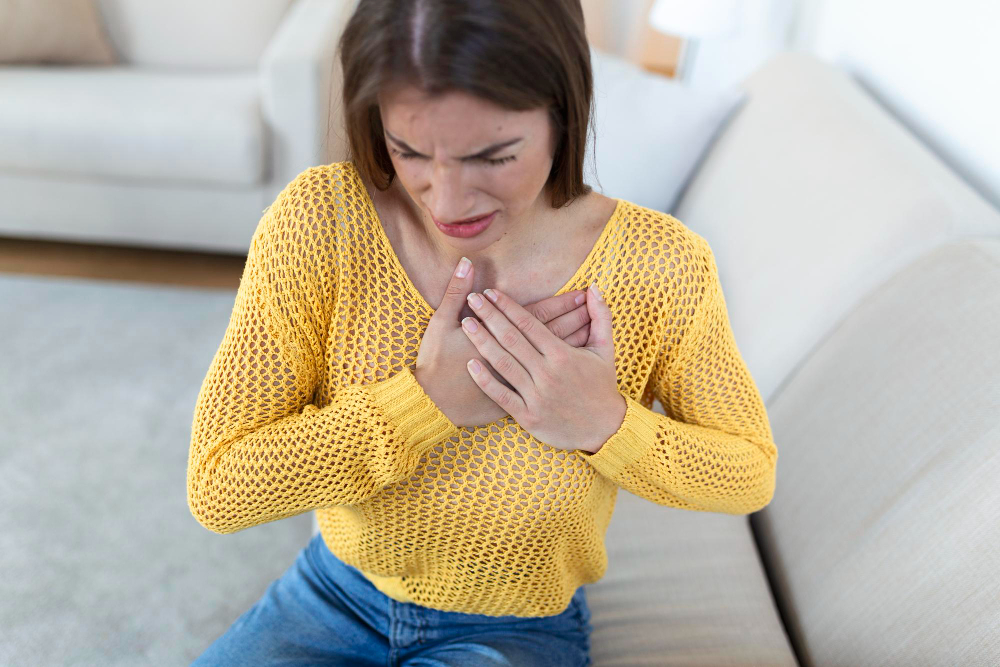
Many people feel their heart racing or skipping beats, especially during stressful times. These are called heart palpitations. Stress is a common trigger. Some people look for natural remedies, such as homeopathy for heart palpitations and stress. But how does homeopathy work, and is it safe? This blog will explain what you need to know about homeopathic approaches, their effectiveness, and safety.
What Are Heart Palpitations and Stress?
Heart palpitations are feelings that your heart is beating too fast, too hard, or skipping beats. You may notice them in your chest, throat, or neck. Often, they are harmless. However, they can feel scary.
Stress is your body’s reaction to challenges or demands. It can come from work, family, or health worries. When you feel stressed, your body releases hormones. These hormones can make your heartbeat faster.
Because of this, stress and heart palpitations are closely linked. For example, anxiety or panic attacks can cause both symptoms at the same time. If you notice palpitations during stressful moments, you are not alone.
How Homeopathy Addresses Heart Palpitations and Stress
Homeopathy is a natural system of medicine. It uses very small amounts of natural substances to help the body heal itself. Homeopaths believe that each person is unique. Therefore, they choose remedies based on your symptoms and how you feel.
For heart palpitations and stress, homeopathic practitioners may select remedies that match your emotional and physical state. Some commonly used homeopathic remedies include:
However, it is important to remember that homeopathic remedies are chosen based on your unique symptoms. A qualified homeopath will ask about your feelings, lifestyle, and health history before suggesting a remedy.
Effectiveness and Safety of Homeopathic Treatments
Many people seek natural remedies for heart palpitations and homeopathic stress relief. But what does science say? According to the World Health Organization (WHO) and other health bodies, evidence for homeopathy’s effectiveness is limited. Most studies show mixed results. Some people report feeling better, while others see no change.
Homeopathic remedies are usually safe because they are highly diluted. Side effects are rare. However, you should always consult a qualified homeopathic practitioner. This is important because some symptoms may signal a serious heart problem. Also, never stop taking prescribed medicine without talking to your doctor.
For more information, you can visit the WHO or CDC websites. They offer guidance on safe use of alternative therapies.
Lifestyle Tips to Support Heart Health and Stress Management
Besides homeopathic care, healthy habits can help manage heart palpitations and stress. For example, you can try these tips:
These steps can support your heart and help you handle stress better. In addition, they can make homeopathic remedies more effective. Always talk to your healthcare provider before making big changes to your routine.
Prevention and When to Seek Medical Help
Preventing heart palpitations and stress is possible with a few simple steps:
However, some warning signs mean you should get medical help right away. For example, seek help if you have:
These symptoms could signal a serious heart problem. Do not wait to see if they go away.
Conclusion
In summary, homeopathy for heart palpitations and stress is a natural option for many people consider. While some find relief, scientific evidence is limited. Homeopathic remedies are usually safe but always consult a qualified homeopathic practitioner at HOPE HOMOEOPATHY CLINIC or your healthcare provider for personalized advice. Your health and safety come first.