
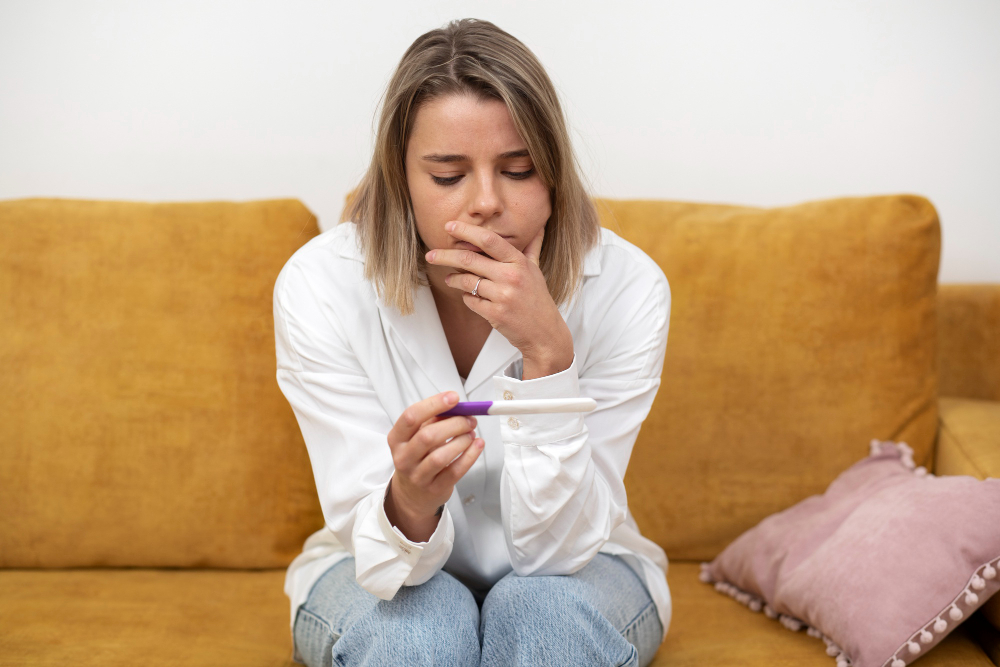
Introduction to Female Infertility and Homeopathy
Many women face challenges when trying to conceive. Female infertility means a woman cannot get pregnant after one year of regular, unprotected sex. For some, this can be stressful. However, there are many treatment options. One gentle approach is homeopathy for female infertility. Homeopathy uses natural substances in small amounts. It aims to support the body’s healing. Because of this, some women choose homeopathy as an alternative medicine for female infertility. In this blog, you will learn about symptoms, causes, diagnosis, and homeopathic remedies for infertility in women.
Common Symptoms of Female Infertility
Often, infertility does not cause clear symptoms. Still, some signs may suggest a problem. For example, you might notice:
Sometimes, these symptoms can point to hormone issues. But, not all women have clear signs. Therefore, regular check-ups are important.
Causes of Female Infertility
There are many reasons why a woman may have trouble conceiving. Some common causes include:
Additionally, lifestyle factors such as stress, smoking, or being overweight can affect fertility. Because causes can vary, a full medical check is important.
How Homeopathy Approaches Female Infertility
Homeopathy looks at the whole person, not just the symptoms. For instance, a homeopath will ask about your health, emotions, and lifestyle. Then, they choose a remedy that matches your unique needs. Unlike some treatments, homeopathy uses natural infertility treatments. These aim to balance hormones and support the body’s natural processes. While some women find relief, results can vary. Therefore, it is best to work with a trained homeopath.
Common Homeopathic Remedies for Female Infertility
There are several homeopathic remedies for infertility in women. Each remedy is chosen based on your symptoms and health history. Some commonly used remedies include:
However, these remedies should only be taken after consulting a qualified homeopath. Self-treatment is not recommended.
Diagnosis and Consultation Process
First, a doctor or homeopath will ask about your medical history. Next, they may suggest blood tests or scans. These tests help find the cause of infertility. In addition, a homeopath will ask about your emotions, sleep, and lifestyle. This helps them choose the best remedy. Because every woman is different, treatment is always personalized. Regular follow-ups are also important to track progress.
Lifestyle Tips and Prevention Strategies
Besides treatment, healthy habits can support fertility. For example, you can:
Although these steps cannot guarantee pregnancy, they can improve your overall health. As a result, your chances of conceiving may increase.
Safety, Effectiveness, and Scientific Evidence
Many women ask if homeopathy is safe and effective. Homeopathic remedies are usually gentle and have few side effects. However, scientific evidence is limited. According to the World Health Organization (WHO) and other experts, more research is needed. Some women report benefits, but results can differ. Therefore, it is wise to use homeopathy as a part of a broader care plan. Always inform your doctor about any alternative medicine for female infertility you use.
When to Consult a Specialist
If you have tried to get pregnant for over a year without success, see a doctor. Also, consult a specialist if you have irregular periods, severe pain, or other health concerns. Early diagnosis can help find the best treatment. In addition, a qualified homeopathic specialist can guide you on natural infertility treatments. Remember, combining medical advice with homeopathy may offer the best results.
Homeopathy provides a gentle, natural approach to female infertility. Consult Dr. Syed Saadullah at HOPE HOMOEOPATHY CLINIC for personalised guidance and effective treatment options.